
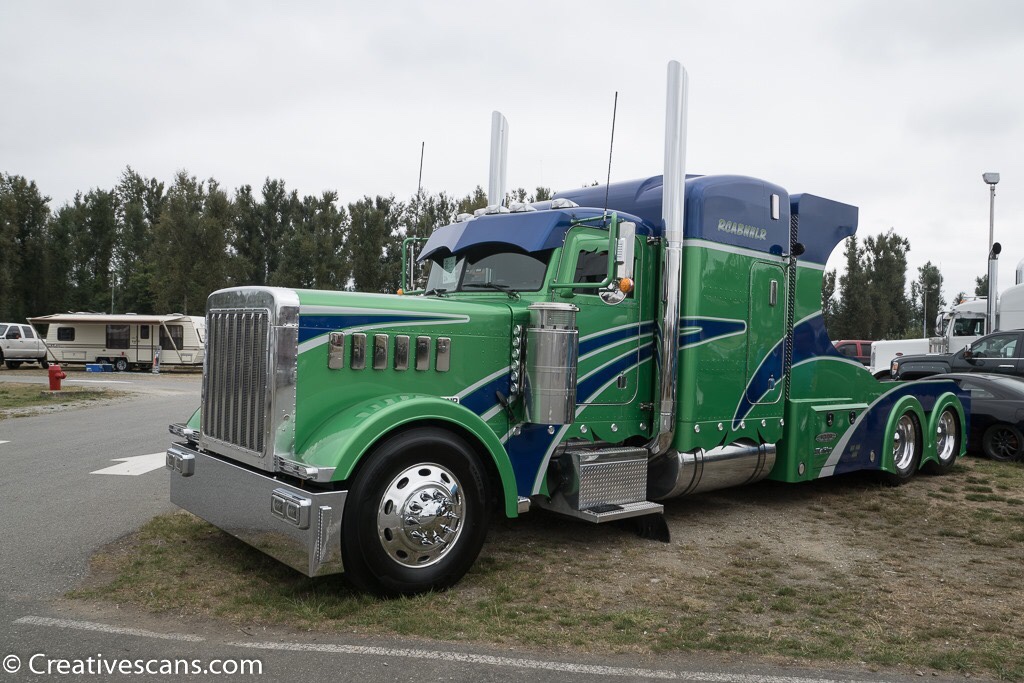
Some photos from the ZZ Chrome for Kids Truck Show & Shine at Mission Raceway

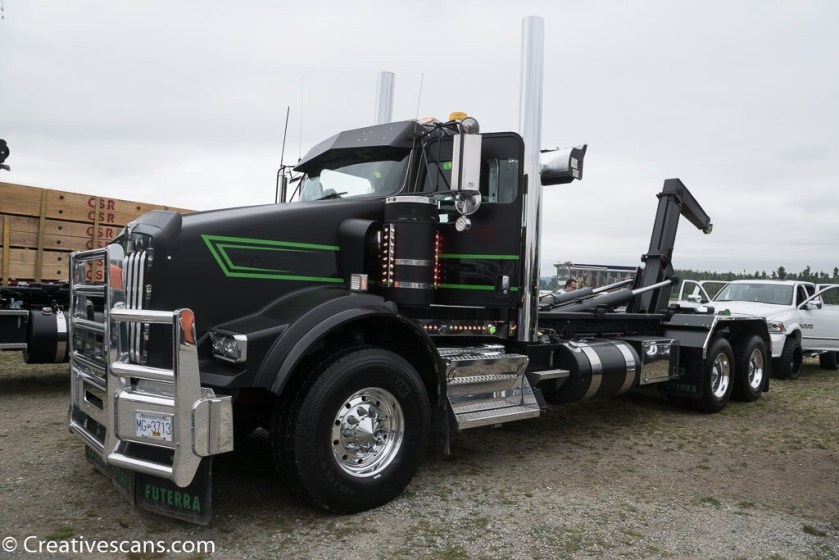


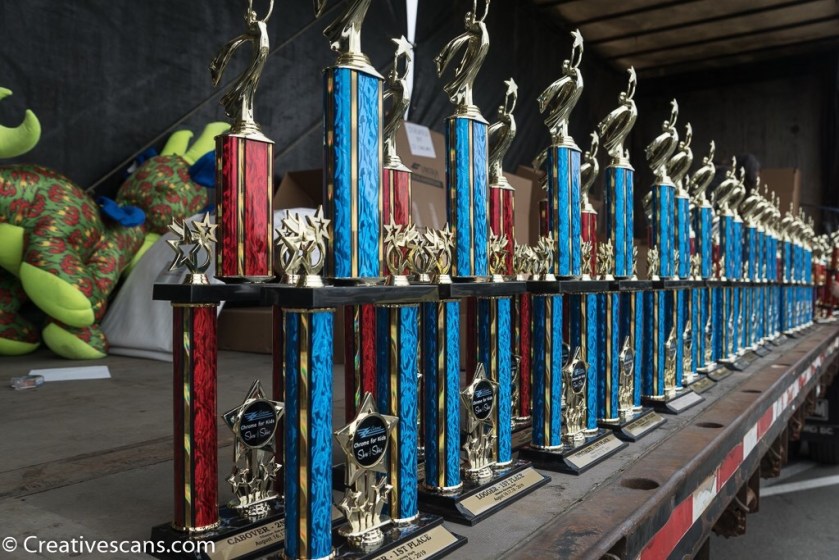
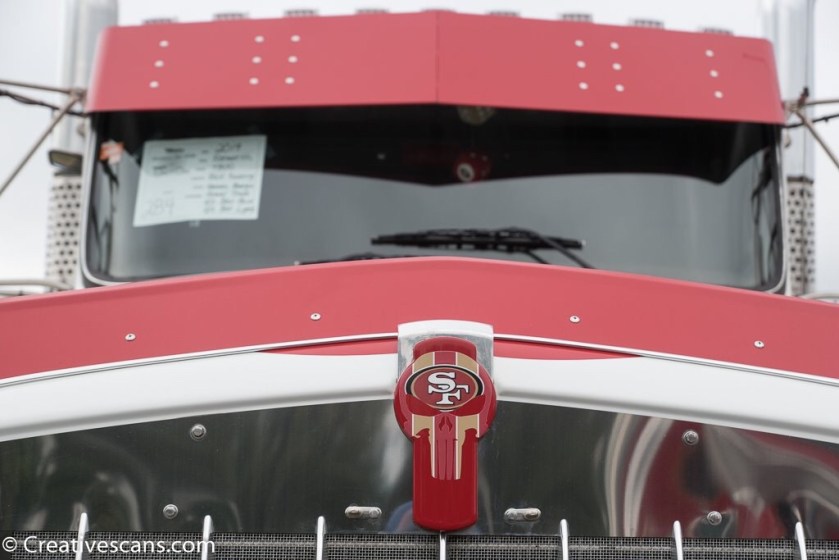


Some photos from the ZZ Chrome for Kids Truck Show & Shine at Mission Raceway
Rick Hansen recently gave a talk about sturgeon conservation on the Fraser River at the Port of Vancouver Community Office in Delta BC.
Rick is one of the founding members of the Fraser River Sturgeon Conservation Society. He got involved with sturgeon conservation because he has been passionate about fishing most of his life and lived close to the Fraser River for most of his life and so has a life long connection to the Fraser River. He felt the need to do something about the falling numbers of white sturgeon in the river so he got involved with efforts to address the issue.
Before the session started, Rick shook everyone’s hand and introduced himself to each person and wanted to know each persons name in return. There was a Q and A session as well as a photo op during which Rick told some entertaining and informative stories, some related to sturgeon and conservation and some related to other areas of his life like being on the Rick Mercer Show several times. During the presentation he spoke about his life up to now, as well as the sturgeon conservation efforts he and the FRSCS and various stake holders are involved with. The talk touched on habitat conservation and rehabilitation, what the various stake holders involved with sturgeon conservation are doing as well as what needs to happen going forward to help save the species for future generations.
On a personal note, I have wanted to meet Rick Hansen for quite a while so I am happy I was able to meet him at this event.
For more information about sturgeon conservation efforts on the Fraser River visit the Fraser River Sturgeon Conservation Society website: http://www.frasersturgeon.com/
For more information about the Rick Hansen Foundation visit: http://www.rickhansen.com/


I recently attended an interesting presentation hosted by the Port of Vancouver at their Community Office in Delta.
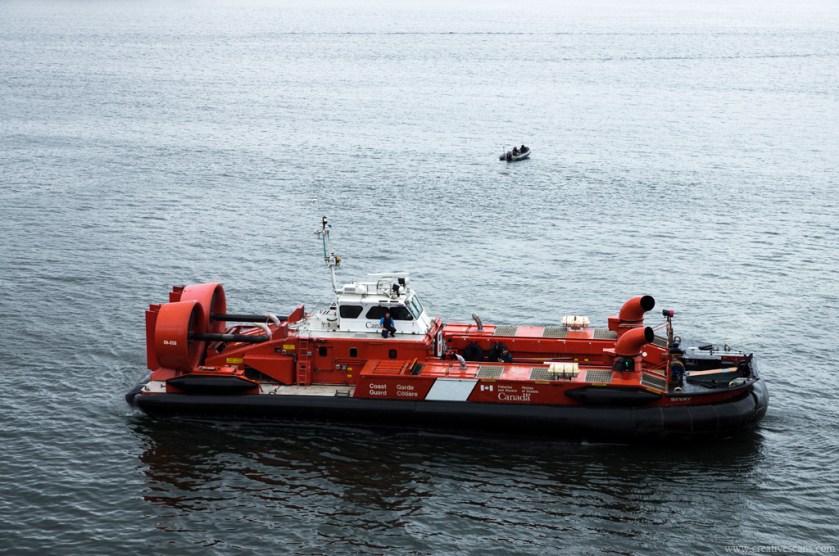
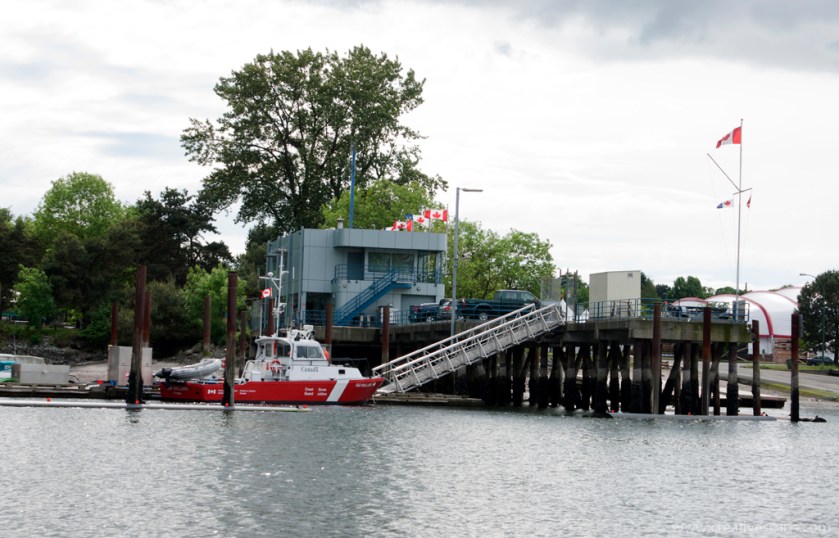
The topic was “who is keeping our waters safe”. Guest speakers Geoffrey Denman, Search and Rescue Program Exercise and Liaison Officer and Art Statham, Superintendent, Marine Communication and Traffic Services, Western Region provided some really great information and stories about what goes into keeping our coastal waters safe. Some of the volunteers from Royal Canadian Marine Search and Rescue Station #8 Delta were on hand with a display as well.
There is a lot going on in and around our marine environment to keep people, wildlife and property safe. There are boats and aircraft that patrol our waters looking for problems and performing search and rescue operations. Then there is all the radio communications between the marine traffic centre in Victoria and vessels using our waters to keep traffic moving smoothly and to help facilitate search and rescue. This is in addition to the work done to maintain buoys, navigation equipment, community outreach and providing boating safety education to schools, yacht clubs and the general public.
Did you know?
More information about the Canadian Coast Guard is available at their website:
http://www.ccg-gcc.gc.ca/eng/CCG/Home
More information about Royal Canadian Marine Search and Rescue Station #8 Delta:
http://rcmsar.com/rescue-stations/southern-region/delta/
More information about the Port of Vancouver:


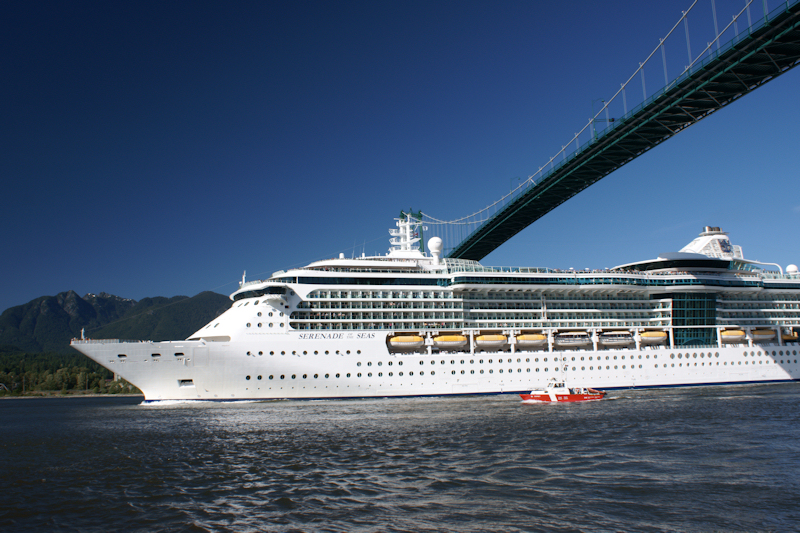
I attended a really interesting presentation at the Port of Vancouver’s Delta Community Office given by Captain Mike Armstrong, who has been a Fraser River Pilot for 15 years and is one of only 8 Fraser River Pilots that work the Fraser River. There are two types of marine pilots, Coastal and River, both guide ships through local waters to and from a port. Captain Mike talked about many different aspects of becoming and being a Fraser River pilot…
To become a pilot, either River or Coastal is not easy. You first need a lot of experience on the waters in which you hope to work before you can even apply to become a marine pilot. Then there is the extensive 3 part testing program that must be completed. The testing consists of a written general knowledge test, a written local knowledge test and then an extensive oral exam. You must pass (70%+) each of the tests before moving on to the next test…fail one and you do not move on to the next. To pass the local knowledge test you must memorize, among other things the locations of markers and buoys, depth of water at various places along the river, height of bridges, width of channels and a lot more. There is also on the job training and mentoring that must be completed before becoming a full on River or Coastal Pilot.
People wishing to becoming marine pilots often start their career on the water working on fishing boats, ferries, tug boats, deep sea vessels or with the coast guard. Because it takes so long to gain the necessary experience to become a marine pilot you won’t find too many really young marine pilots. And because it takes so much experience in either River or Coastal waters to become a River or Coastal Pilot it is very rare for a pilot to work in both areas or switch from one area to the other.
When a ship needs to move up the Fraser River from the ocean, the Pilot boards the ship about 7 miles off shore and about 3 miles outside the mouth of the river. This gives the Coastal Pilot who guided the ship through the outer local waters of the BC coast, the River Pilot and Captain of the ship time to brief each other before starting the passage up the river. The Coastal Pilot then leaves the ship while the River Pilot remains on board and takes over navigation of the ship. When the ship leaves port the process is reversed.
Getting on and off a ship in open water in all weather conditions and at all times of the day or night is probably the most dangerous hazard a marine pilot faces. I know off the coast of Oregon at the mouth of the Columbia River they will use a helicopter to transfer a marine pilot to or from a ship if the weather is too bad for a water based transfer. There is some talk of a helicopter being used along the BC coast to transfer pilots to and from ships when needed in the future. Right now if the waters are too rough to transfer a pilot off a ship that is leaving the BC coast, that pilot will try and get off the ship around Victoria on Vancouver Island. If getting off the ship is still not possible due to bad weather the pilot stays on board that ship until its next port of call…no matter where in the world that might be.
Some other interesting things I learned about being a Marine Pilot:
No tax dollars are used to pay for piloting services, it is all paid for by the ships using the services.
When a pilot first starts working they do not start with the very largest ships. The size of ships they are allowed to pilot will increase over about a 5 year period.
It is the pilot who orders the tugs used to help guide the large ships in and out of port. The pilot figures out in advance what type and how many tugs will be needed for a particular job.
Pilots are consulted before a new bridge or dock is built and can provide valuable feedback on how a bridge or dock should be designed.
Sometimes 2 pilots are on board a ship if it is a particularly challenging assignment.
The Fraser River is surveyed constantly to monitor the depth of the river. This information is made available to stakeholders including marine pilots on a daily basis.
There is a lot more to being a Marine Pilot and their roles and responsibilities than I have covered here. If you would like more information you can find it at:
The Fraser River Pilots website:
The Canadian Marine Pilots’ Association website:
http://www.marinepilots.ca/index.html
The International Maritime Pilots’ Association:
More information about the Port of Vancouver


 Creativescans