
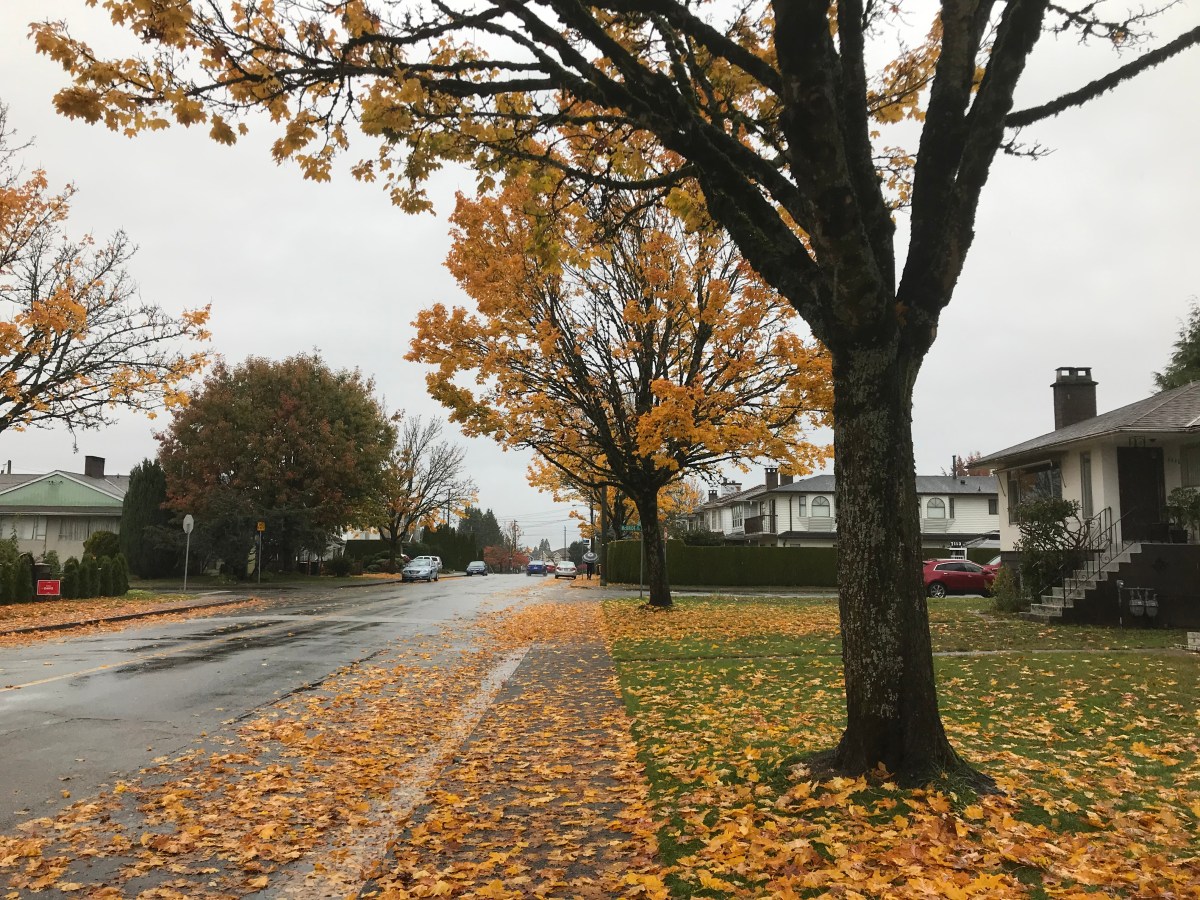
A few photos captured with my iPhone 7 during my walk home from voting in the rain. Some nice fall colours to be seen before all the leaves fall off the trees.

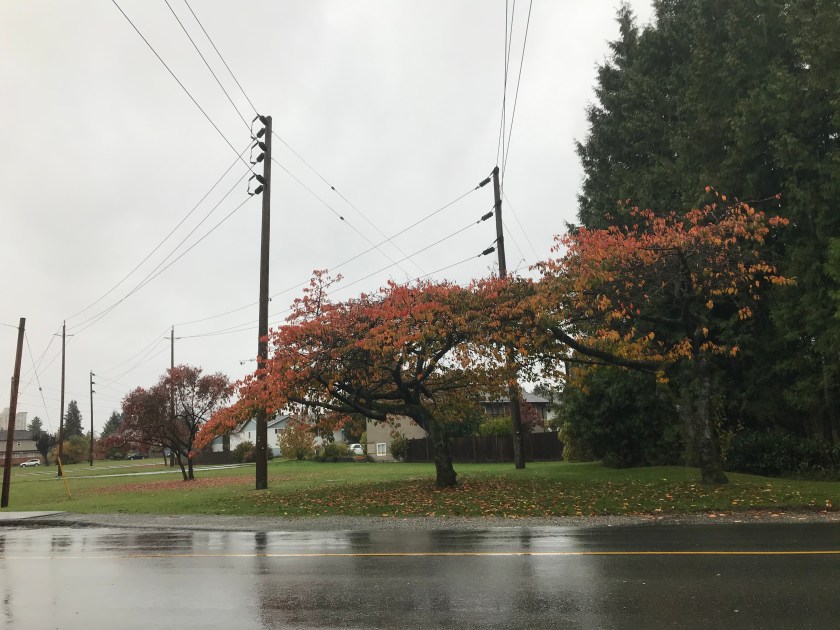

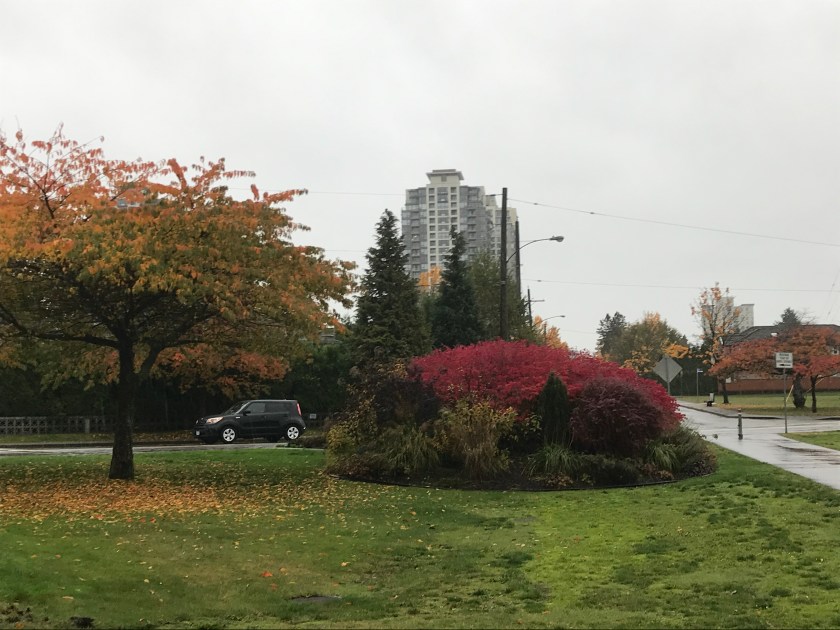

A few photos captured with my iPhone 7 during my walk home from voting in the rain. Some nice fall colours to be seen before all the leaves fall off the trees.
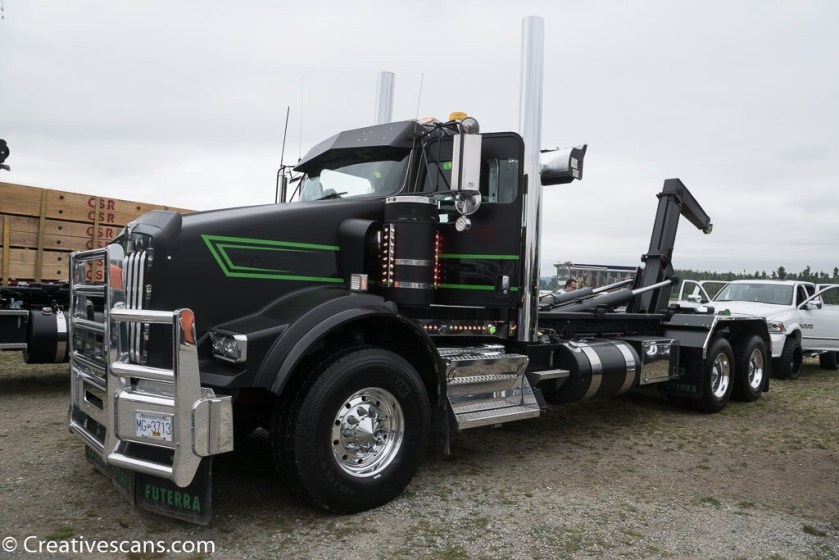
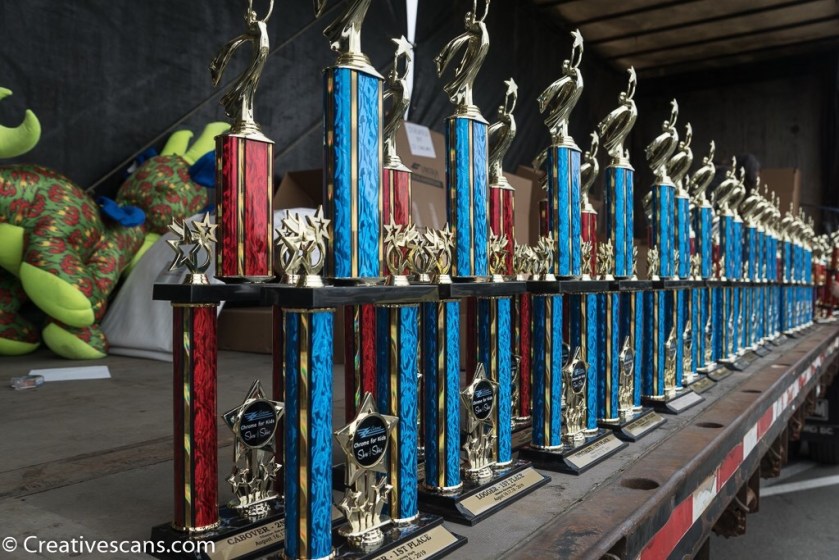
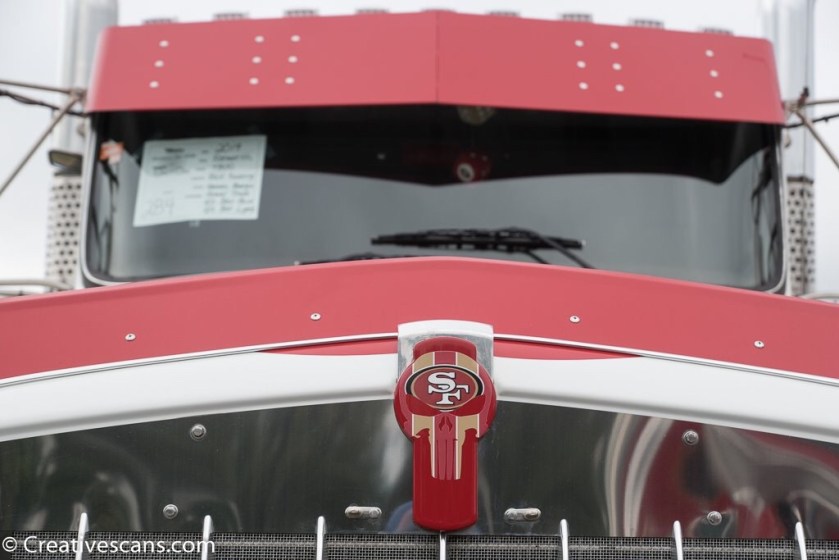
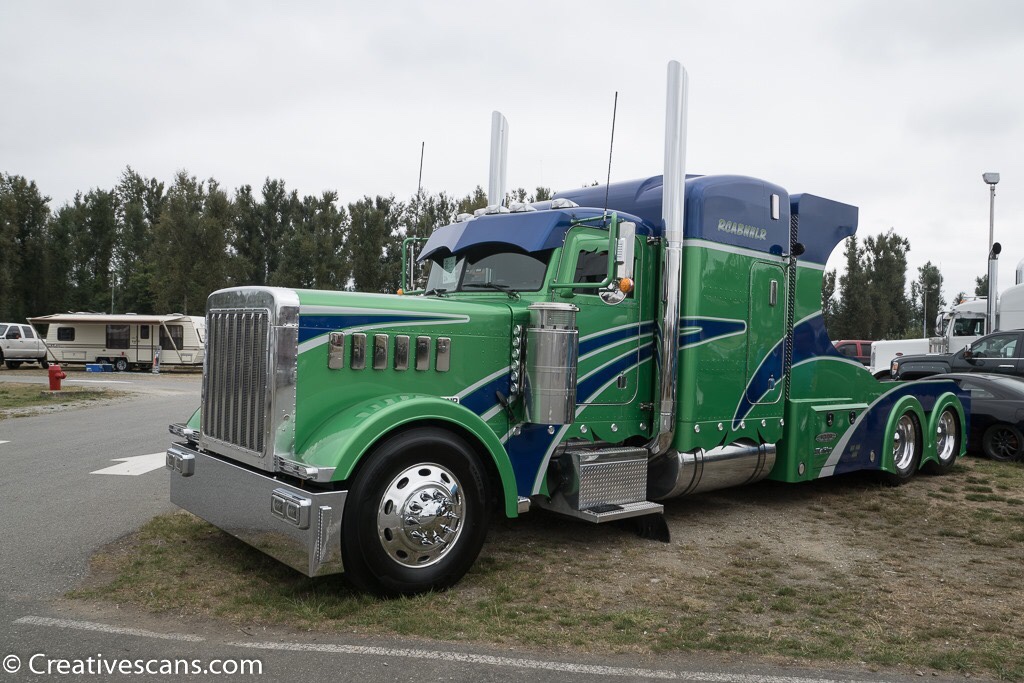
Some photos from the ZZ Chrome for Kids Truck Show & Shine at Mission Raceway




Here are a couple of photos taken 2 minutes apart during sunset. Light changes quickly especially at sunrise and sunset. Be ready to capture your images and focus on different areas of the scene.


Photography tip: When taking photos through glass get as close as possible to the glass to reduce glare. Camera lens was almost touching window glass. Make sure flash is off. Photo of the ems truck taken through glass after sunset.


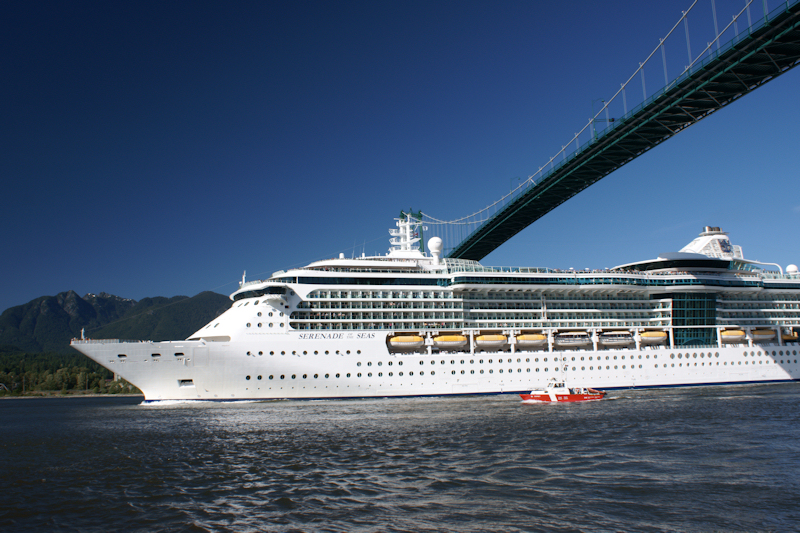
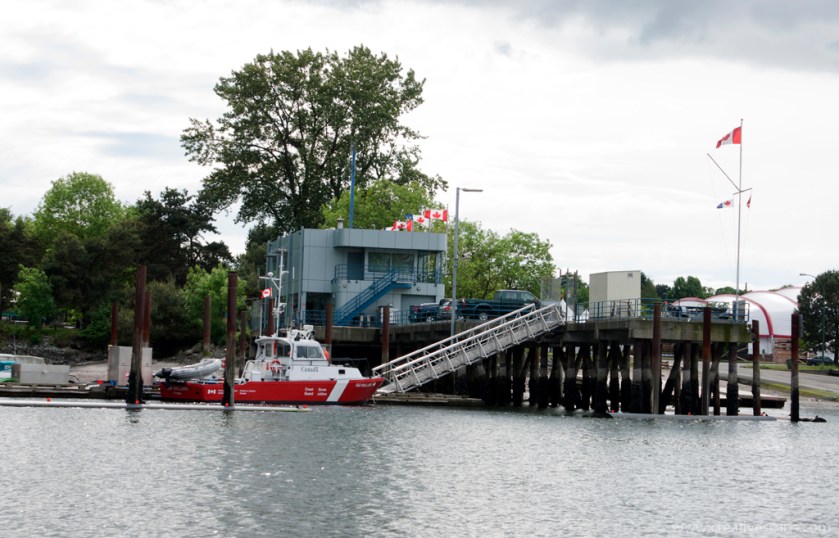
I recently attended an interesting presentation hosted by the Port of Vancouver at their Community Office in Delta.
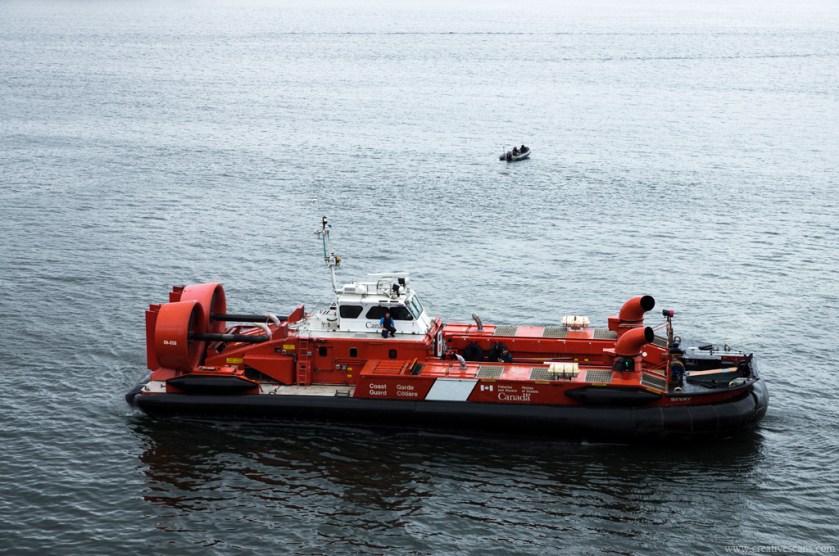
The topic was “who is keeping our waters safe”. Guest speakers Geoffrey Denman, Search and Rescue Program Exercise and Liaison Officer and Art Statham, Superintendent, Marine Communication and Traffic Services, Western Region provided some really great information and stories about what goes into keeping our coastal waters safe. Some of the volunteers from Royal Canadian Marine Search and Rescue Station #8 Delta were on hand with a display as well.
There is a lot going on in and around our marine environment to keep people, wildlife and property safe. There are boats and aircraft that patrol our waters looking for problems and performing search and rescue operations. Then there is all the radio communications between the marine traffic centre in Victoria and vessels using our waters to keep traffic moving smoothly and to help facilitate search and rescue. This is in addition to the work done to maintain buoys, navigation equipment, community outreach and providing boating safety education to schools, yacht clubs and the general public.
Did you know?
More information about the Canadian Coast Guard is available at their website:
http://www.ccg-gcc.gc.ca/eng/CCG/Home
More information about Royal Canadian Marine Search and Rescue Station #8 Delta:
http://rcmsar.com/rescue-stations/southern-region/delta/
More information about the Port of Vancouver:


I attended the latest YVR 2037 Master Plan open house last week. The YVR 2037 Master Plan is used for long term planning and development at the airport and the open house was another opportunity for the public to provide feedback on the future developement of YVR.
Here is some of what I learned about the updated plans.
Plane spotting location(s):
I have been interested in all thing aviation, from aircraft and plane spotting, to airport design and air traffic control for a long time. The latest YVR 2037 summary document says “plane spotting location”…singular. The diagram in the latest set of documents shows two (possible) areas…one on the south side of the north runway (26R/08L) near the east end of the runway and one by what is now known as “the dirt hill” on the north side of 26R/08L. I asked if there will be one or two plane spotting areas and is there a timeline for the construction of the plane spotting location(s)?
Nothing has been set in stone in terms of having one or two spots or in terms of construction timelines. Having said that, construction won’t happen next year but it won’t take 10 years either. I would like to see both locations become a reality but if I had to choose one it would be the location at the east end of the 26R /08L runway because it is more accessible. In talking with people from YVR I mentioned (again) to please make sure that any area or structure made for plane spotting is elevated enough so the fence is not in the way and make sure plane spotters are not looking/photographing through glass. The plane spotting area will most like be built into a larger development so how it will look is still up in the air. Hopefully when the new plane spotting area(s) are being designed, YVR asks the plane spotting community for their input on the design. Stay tuned.
Multi-use Pathway
The airport is committed to providing recreational amenities in and around the airport. There are plans to have a multi-use fully accessible pathway system around much of the island. The pathway would connect the Templeton Canada Line station to the terminal and connect the Designer Outlet to Flight Path Park along Templeton Street. There would also be a pathway along much of the east and southeast part of the island and along part of the north west part of the island. I asked if a pathway would ever go completely around the island to include the west side of the island along the foreshore at the base of 08L and 26R. LAX has access to the beach near the foot of their runways so I wondered if this was something we could see at YVR. The answer is basically no. There is not enough room between the tidal flats and the start of solid airport ground to build a pathway and it would be too costly a project.
North South Taxiway
The elevated north south taxiway is a go! There will be an elevated north south taxiway at the east end of the airport. This will provide a more direct route to the east end of the two main runways for aircraft at YVR. Construction will likely begin in 6-7 years while the planning (and preloading) will start to ramp up sooner than that. As a plane spotter and photographer I am really looking forward to seeing this project becoming a reality.
I had an interesting chat with folks at YVR about “PBN” Performance Based Navigation and also what it takes to physically accommodate a new aircraft type at the airport but will save those for another post (or two)!
For more info on YVR2037 visit: http://www.yvr2037.ca/


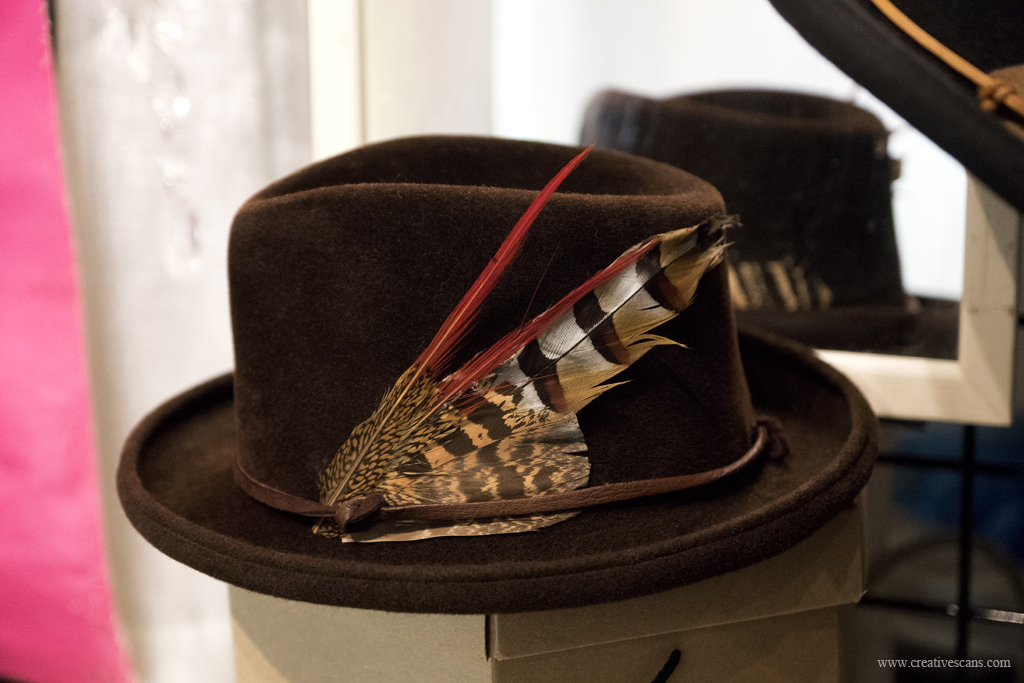
While at the Circle Craft Winter Market at the Vancouver Convention Center I had the pleasure of meeting and spending a few minutes chatting with Karyn Ruiz of Lilliput Hats. She designed and made the hats Gord Downie of The Tragically Hip wore on stage during the Man Machine Poem tour.
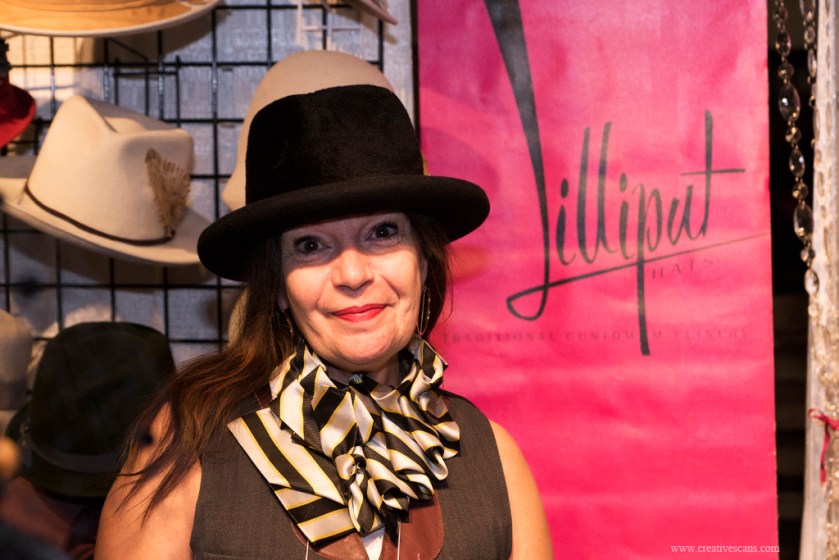
When asked what it was like to meet Gord Downie, who is to a lot of people, a Canadian icon, she said he was just a normal quiet man who was quite involved in the creative process of designing the hats.
She told me 6 hats were made for Gord to wear on stage during the tour with another two hats made to be auctioned off. And she mentioned how she printed some of the lyrics of two Tragically Hip songs into two different hats she made for Downie. The two songs were “Bobcaygeon” and “Done and Done”. Downie was surprised and really happy with that detail. How cool is that!
The auction was in support of the “Gord Downie & Chanie Wenjack Fund at Toronto Foundation”, “Gord Downie Secret Path Fund for Truth and Reconciliation at The National Centre for Truth and Reconciliation (NCTR) at The University of Manitoba” and “Gord Downie Fund for Brain Cancer Research at Sunnybrook Health Sciences Centre”. The website with more information is https://www.courageforgord.org/ The website has a page where donations can be made and a gift shop as well. All proceed from the site support the above funds.
While we chatted she showed me some photos taken when she met with Downie at her shop and there were photos of him on stage wearing the hats she created.
It really was interesting to meet and spend a few minutes talking with Karyn. Maybe it’s time for me to upgrade from wearing ball caps to something custom made and a lot more stylish.
Below are a few cell phone images from the Tragically Hip concert in Vancouver BC, July 26, 2016.


I recently attended the first of three YVR 2037 Master Plan Workshops at YVR. I view the 2037 Master Plan mainly from a plane spotter/aviation enthusiast point of view with an interest in the airport providing more plane spotting amenities. Here are a few thoughts:
The YVR Master Plan and workshops cover more than just plane spotting. They cover 6 key components; terminals, airside and airspace, ground access, environmental, amenities and land use. Creating new plane spotting areas touches on several of these areas. The airport had many top level people at the session actively involved in the discussions including Craig Richmond CEO of the airport, as well as people in charge of or with solid knowledge in the above 6 key areas. There were about 6 groups of a half dozen or so people in each group participating in the workshop. If we had questions, most if not all, got answered. If questions couldn’t be answered on the spot they would follow up at a later time. No concrete time lines are in place for any of the topics covered. These are sessions to discuss ideas for the near and medium future and give feedback about current and future aspects of the airport. The discussion guide is an interesting document to read. It can be found here:
http://www.yvr2037.ca/our-futurist/documents/3856/download
Plane spotting is specifically mentioned on page 27:
“Plane Spotting Platform: Design and construct a viewing area, just west of the Canada Post building, including parking, path and a covered plane spotting deck.”
And here:
“Plane Spotting Platform: Design and construct a plane spotting platform in the grassy area just north of the jetSet parking lot and west of the future North-South Taxiway.”
When plane spotting was brought up in our group here is some of what was brought up:
Provide a shuttle or some other means of transport to get to and from the spotting locations. Dedicated shuttle similar to the south terminal shuttle, or transit or maybe partner with the Canada Post Shuttle (that runs almost empty most parts of the day).
Connect spotting locations with bicycle paths and other Sea Island amenities.
Make the spotting locations camera friendly (no chain link fencing or glass to shoot through)
Have a covered area included in the spotting location.
Include toilet facilities at the spotting locations.
Put in a sidewalk to Larry Berg Flight Path Park from BCIT.
There is another opportunity to get involved and learn more about the future at the airport at the upcoming open house on Wednesday October 12, from 4pm to 8pm. It is being held at the Observation Area in the Domestic Terminal at YVR.
It was an interesting event to attend. Below are a few photos taken at the event. And here is a link so some of my aviation related images: https://www.flickr.com/photos/zorro1968/albums/72157646707011000


Mobi Bike Share started up in Vancouver recently. Think car share but with bikes. Full details on how to sign up, access and return the bikes are available on their website but basically you sign up, fill in some information to create an account, pick your plan, receive your user code and you are good to go. The service is geared for trips lasting less than an hour. If you plan on riding for longer than an hour or in a group like with family it is recommended you go to a traditional bike rental business (they have a list of places to rent biked for longer periods of time on their website).
I was walking by Canada Place recently and passed one of the Mobi Bike Share dock stations. (Eventually there will be 150 dock stations and 1500 bikes in the sytem.) When I passed by the station at around 3:30 pm it was pretty much full with bikes available to rent. On my way home around 6:30pm I passed the same dock station and most of the bikes available for rent were gone. (See photos.) The fact that most of the bikes were not at the station seems like a good sign that the idea and business are off to a good start.
So if you are in the downtown core and need a bike for short trips check them out.


If you missed the fireworks on Canada Day or July 4 or want try your hand at photographing fireworks you have another chance during the http://hondacelebrationoflight.com/ in the Vancouver area July 23, 27 and 30th.
So here are some basic tips on how to photograph fireworks.
Try to scout out your location before the event. Know where the fireworks display will be and where you will shoot in relation to that location. Finding a location that will give you an unobstructed view of the fireworks is key. With popular fireworks shows there will be A LOT of people at the event so plan for this. You do not want to set up in a spot nice and early only to have people end up in front of you blocking your view. And it is best to get into your position as early as possible. I usually try and be at my spot at least 3 hours prior to the show starting.
As far as gear is concerned I use a Sony A77ii DSLR but you could use a point and shoot camera with manual settings or a “Fireworks” setting. No matter what camera you use, it is best to have and use a good sturdy tripod. The shutter stays open for relatively long periods of time when shooting fireworks and if you try to hand hold the camera you will end up with blurry pictures. Using a sturdy tripod can help eliminate camera shake and blurry pictures.
If you can, use a cable release to activate the shutter to take the photos. If you do not have a cable release or the camera does not support a cable release then use the self-timer function to activate the shutter. Using a cable release minimizes how much the camera moves to activate the shutter…your finger doesn’t touch the camera it touches the cable. Using the self-timer gives the camera time to settle down after your finger pushes the shutter button. Many cameras have a self-timer function that lets you delay the shutter by 2-3-4 or 10 seconds. I have used the 2 second delay with good results when I have forgotten the cable release.
The camera settings that I find work best for photographing fireworks are pretty straight forward. Most often I use shutter speeds of between 2 and 6 seconds, an aperture of between f7 and f11 and ISO of between 100 and 400. You will need to play around with the settings to see what works best for you and your situation but these settings can be used as a decent starting point. I will change camera settings during the show if segments of the show are brighter or less bright to try and get the best results but don’t get carried away with changing settings during the show.
Next tip. Shoot a lot. Especially when you are starting out. Don’t expect all your photos of a fireworks display to be award winners. If you take more photos you increase the chances of you getting some really pleasing images. Like anything else, if you keep at it and do it enough you will find that you will have more and more good images from each display you photograph.
A few words about composition. You can focus tight on the fireworks and that is perfectly ok or you can try and add other elements to the composition to try and give the photos a sense of place. If you add in your city skyline or maybe a prominent building or bridge to the fireworks photos it can really add something special to the final photograph.
There are other more “advanced” techniques to photographing fireworks but I hope these few tips help you’re your next fireworks photos a little better. Below are a few fireworks photos I have taken over the years.






 Creativescans