YVR Snow Removal 2019

Photos of snow removal equipment in action at YVR.

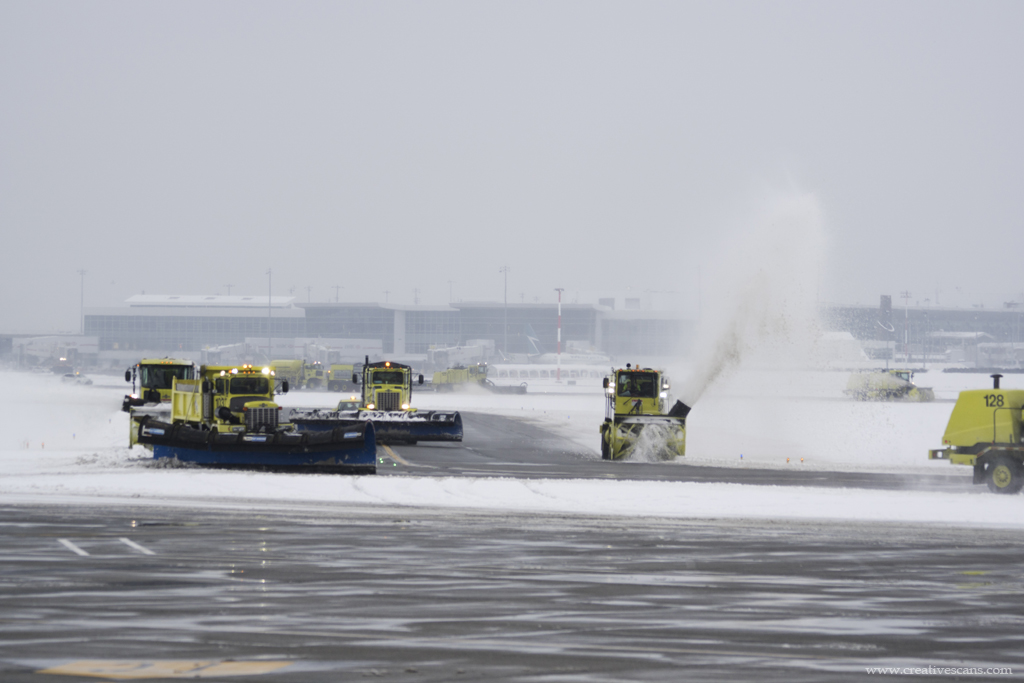
With the somewhat rare significant snowfall recently in the lower mainland I made my way out to YVR to capture some images of the snow removal operations at YVR.
YVR has some impressive machinery for snow removal which includes:
3 trucks capable of spreading solid and liquid materials to make sure the runways and taxiways do not freeze in cold winter conditions.
6 “Multi-Hogs” which can be equipped with a broom or a blower and or a chemical applicator.
5 Oshkosh P-Series/MB 4600 “All in One” trucks, that can each plough and sweep a 24 foot wide path on the airport runways and taxiways.
3 Oshkosh H-Series Sweepers that each have a 22 foot wide high speed broom attached.
5 Oshkosh H-Series Snow Blowers that can each launch 5,000 tons of snow 150 feet every hour. That is a combined capacity of 25,000 tons of snow being blown off runways and taxiways every hour!
3 Oshkosh P-Series Trucks that have a 24 foot wide high speed snow plough on the front end.

When a combination of this equipment is brought to bear to clear a runway or taxiway it is called an “echelon”. A full runway can be cleared in about 20 minutes.

The airport also has access to front end loaders and dump trucks to move and deposit collected snow to designated snow storage areas on the airport grounds.

Below are a few images of the various pieces of equipment in action during the recent snowfall. Click on a thumbnail to see a larger image.

Canadian Coast Guard – Keeping our waters safe

I recently attended an interesting presentation hosted by the Port of Vancouver at their Community Office in Delta.

The topic was “who is keeping our waters safe”. Guest speakers Geoffrey Denman, Search and Rescue Program Exercise and Liaison Officer and Art Statham, Superintendent, Marine Communication and Traffic Services, Western Region provided some really great information and stories about what goes into keeping our coastal waters safe. Some of the volunteers from Royal Canadian Marine Search and Rescue Station #8 Delta were on hand with a display as well.

There is a lot going on in and around our marine environment to keep people, wildlife and property safe. There are boats and aircraft that patrol our waters looking for problems and performing search and rescue operations. Then there is all the radio communications between the marine traffic centre in Victoria and vessels using our waters to keep traffic moving smoothly and to help facilitate search and rescue. This is in addition to the work done to maintain buoys, navigation equipment, community outreach and providing boating safety education to schools, yacht clubs and the general public.

Did you know?

  • There are 27 manned light stations along the BC coast.
  • Delta Station 8 is responsible for 450 square miles of BC waters
  • The Canadian Coast Guard has responsibilities that reach out past the 12 nautical mile mark (territorial waters) to the 200 nautical mile mark (Exclusive Economic Zone).
  • The Canadian Coast Guard saves an average of 10 lives per day

More information about the Canadian Coast Guard is available at their website:

http://www.ccg-gcc.gc.ca/eng/CCG/Home

More information about Royal Canadian Marine Search and Rescue Station #8 Delta:

http://rcmsar.com/rescue-stations/southern-region/delta/

More information about the Port of Vancouver:

http://www.portvancouver.com/

cg2s
Art Statham, Superintendent, Marine Communication and Traffic Services, Western Region

cg3s
Geoffrey Denman, Search and Rescue Program Exercise and Liaison Office

15268528959_d85c69b64e_o
The Dash-8 that is part of the Spill Prevention: National Aerial Surveillance Program

14787743602_26c5b37c8b_o
The Dash-8 that is part of the Spill Prevention: National Aerial Surveillance Program

SONY DSC
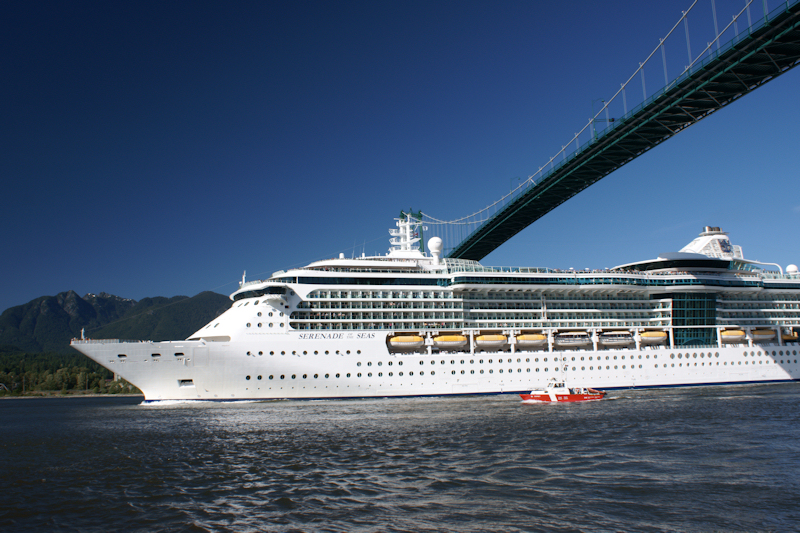
Coast Guard provides security for cruise ships
 
8693542741_d9222a3f15_o
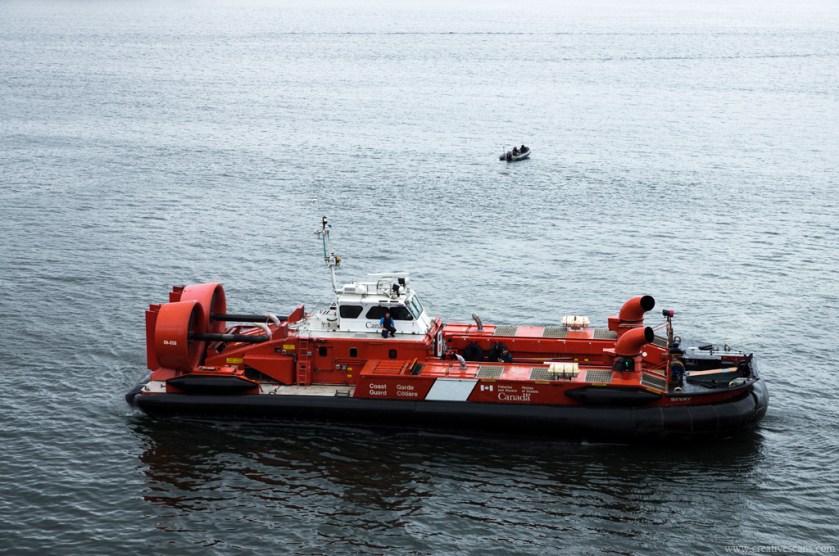
Coast Guard hovercraft

SONY DSC
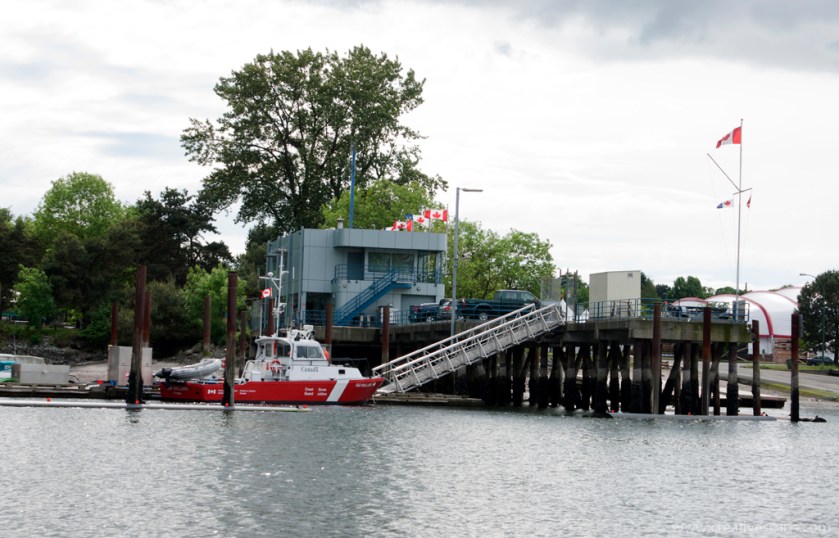
Coast Guard base Kitsilano BC

First A350 flight into YVR

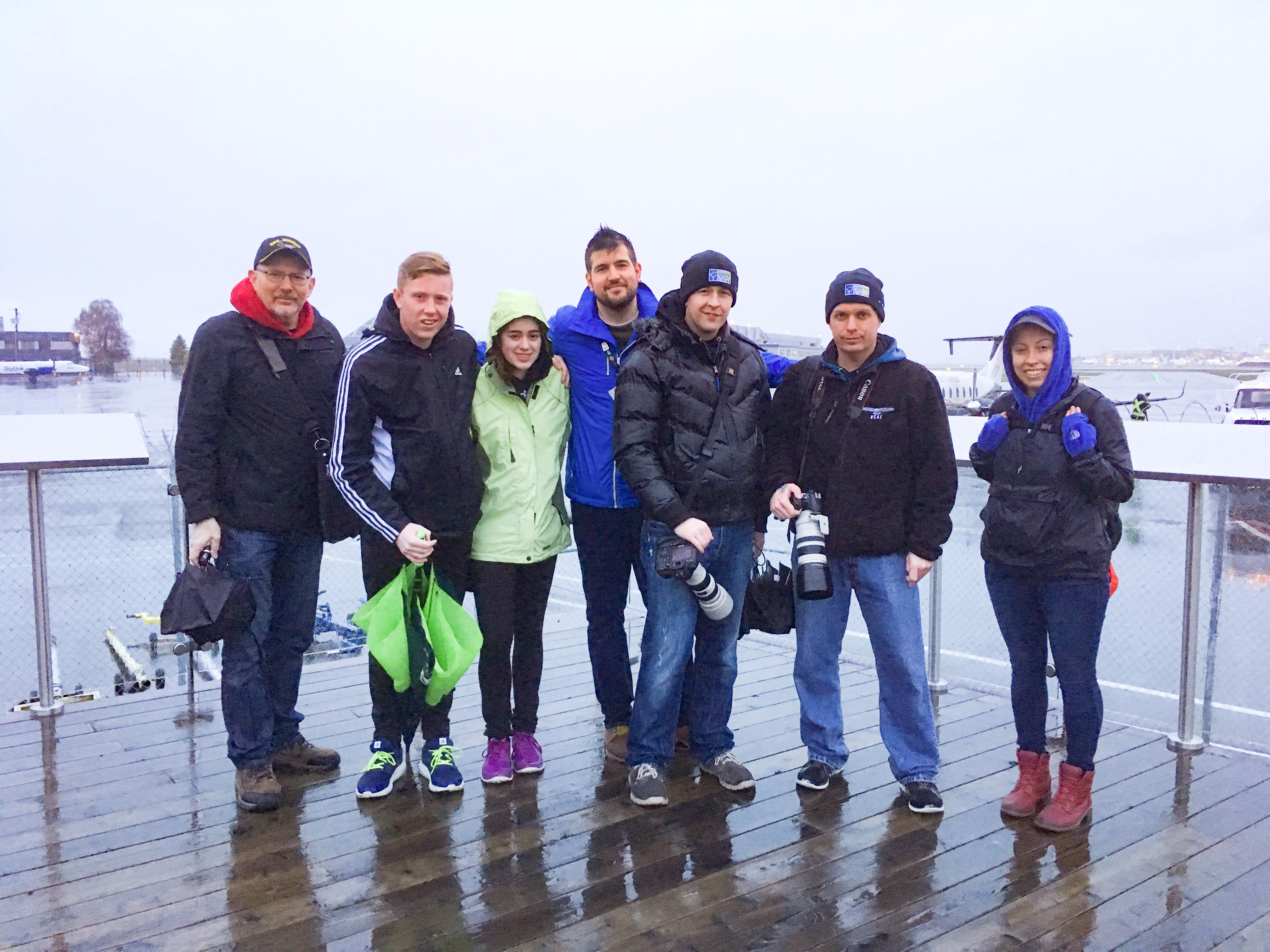
Tuesday March 28 2017 marked the first commercial flight of the Airbus A350 into YVR and Canada (by Cathay Pacific Airlines). Like any other time a new aircraft type flies into YVR or any other airport there are usually “Plane Spotters” there to see and photograph the aircraft/event. The weather Tuesday was absolutely terrible so only the diehard spotters made it out for the arrival and or departure. YVR treats the plane spotting community pretty well especially on these special occasions and Tuesday was no different. Coffee, doughnuts and some swag were provided for the spotters by YVR.

We were hoping the A350 would land on the south runway which is closest to the south side viewing platform but sadly it landed on the north runway. (Weather, air traffic and other factors play into which runway is used so while disappointing it’s no ones’ fault.)  Some spotters tried to race over to the north side for the arrival but I don’t think they made it in time.

Several of us decided to stay for the departure a few hours later and luckily it worked out that it would take off on the south runway which is closest to the spotting platform.

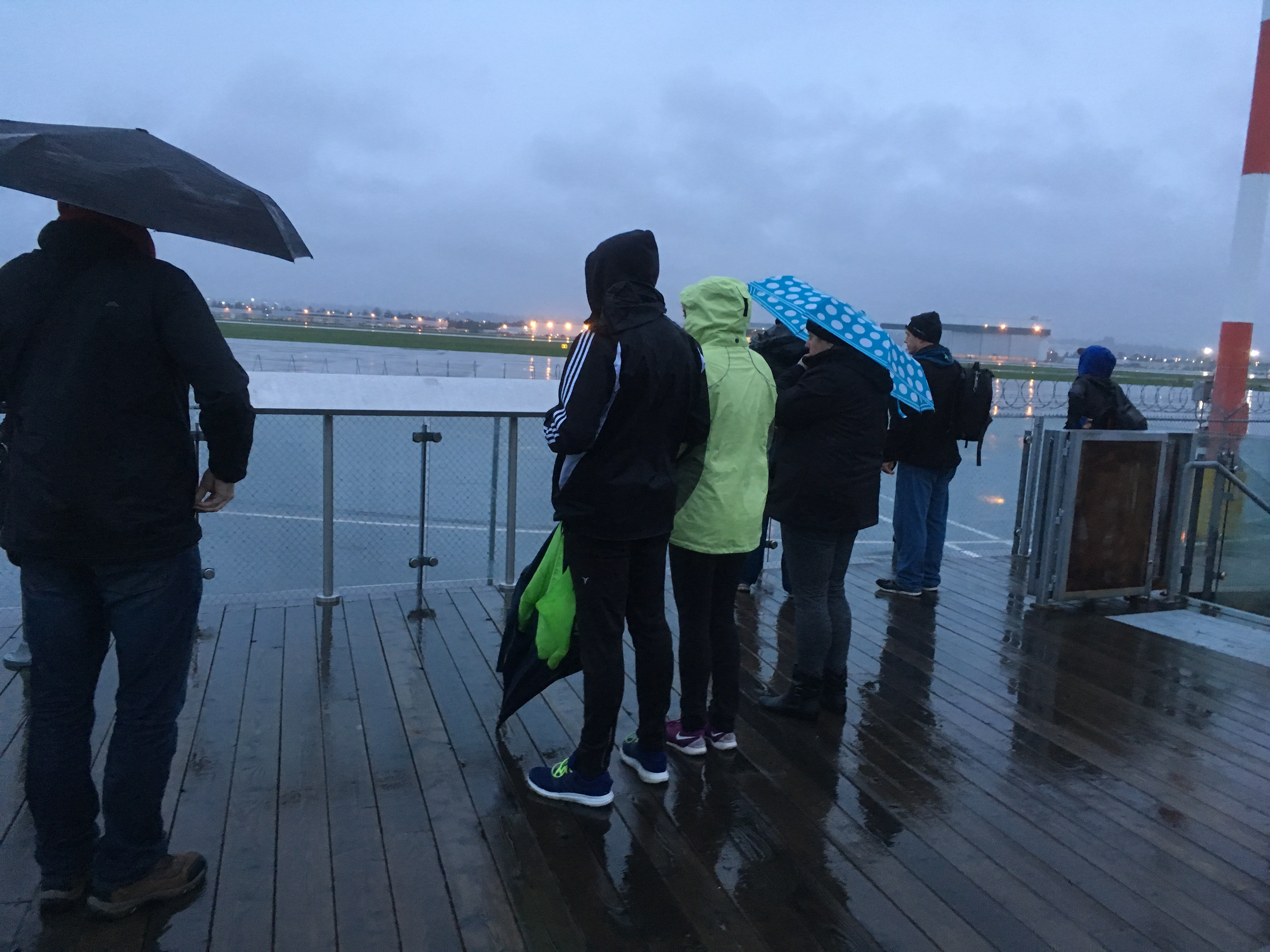
Plane Spotters brave the rain for the A350
A350 arrival into YVR
A350 first departure from YVR
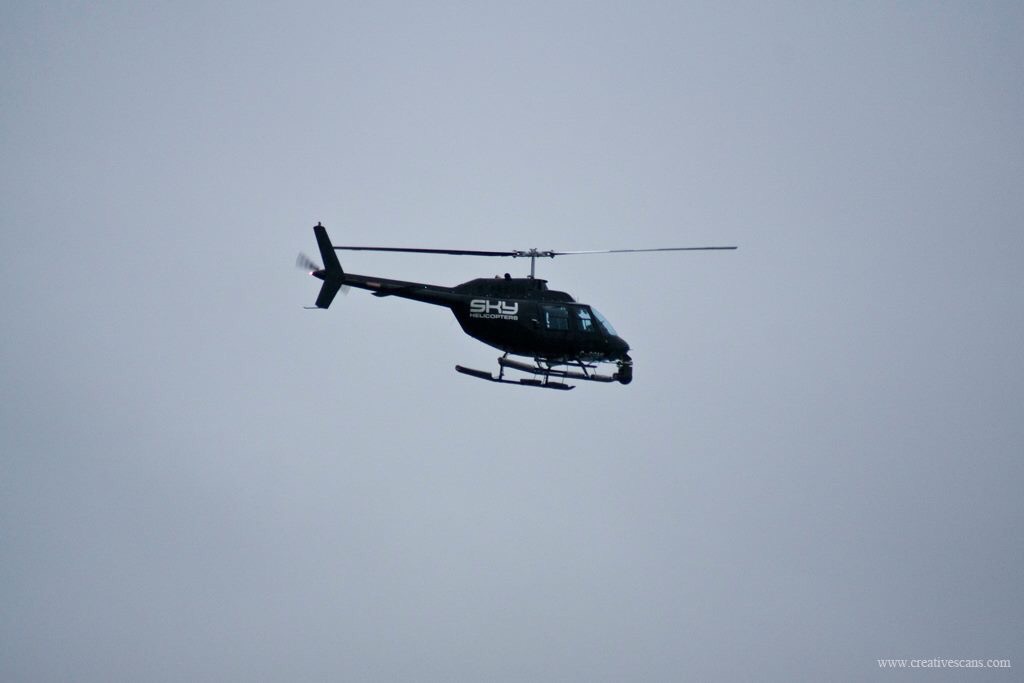
Helicopter covering the A350 event
A350 first departure from YVR

Plane Spotters in the rain

YVR 2037 Master Plan Open House (Phase 3)

I attended the latest YVR 2037 Master Plan open house last week. The YVR 2037 Master Plan is used for long term planning and development at the airport and the open house was another opportunity for the public to provide feedback on the future developement of YVR.

Here is some of what I learned about the updated plans.

Plane spotting location(s):

I have been interested in all thing aviation, from aircraft and plane spotting, to airport design and air traffic control for a long time. The latest YVR 2037 summary document says “plane spotting location”…singular. The diagram in the latest set of documents shows two (possible) areas…one on the south side of the north runway (26R/08L) near the east end of the runway and one by what is now known as “the dirt hill” on the north side of 26R/08L. I asked if there will be one or two plane spotting areas and is there a timeline for the construction of the plane spotting location(s)?

Nothing has been set in stone in terms of having one or two spots or in terms of construction timelines. Having said that, construction won’t happen next year but it won’t take 10 years either. I would like to see both locations become a reality but if I had to choose one it would be the location at the east end of the 26R /08L runway because it is more accessible. In talking with people from YVR I mentioned (again) to please make sure that any area or structure made for plane spotting is elevated enough so the fence is not in the way and make sure plane spotters are not looking/photographing through glass. The plane spotting area will most like be built into a larger development so how it will look is still up in the air. Hopefully when the new plane spotting area(s) are being designed, YVR asks the plane spotting community for their input on the design. Stay tuned.

Multi-use Pathway

The airport is committed to providing recreational amenities in and around the airport. There are plans to have a multi-use fully accessible pathway system around much of the island. The pathway would connect the Templeton Canada Line station to the terminal and connect the Designer Outlet to Flight Path Park along Templeton Street. There would also be a pathway along much of the east and southeast part of the island and along part of the north west part of the island.  I asked if a pathway would ever go completely around the island to include the west side of the island along the foreshore at the base of 08L and 26R. LAX has access to the beach near the foot of their runways so I wondered if this was something we could see at YVR. The answer is basically no. There is not enough room between the tidal flats and the start of solid airport ground to build a pathway and it would be  too costly a project.

North South Taxiway

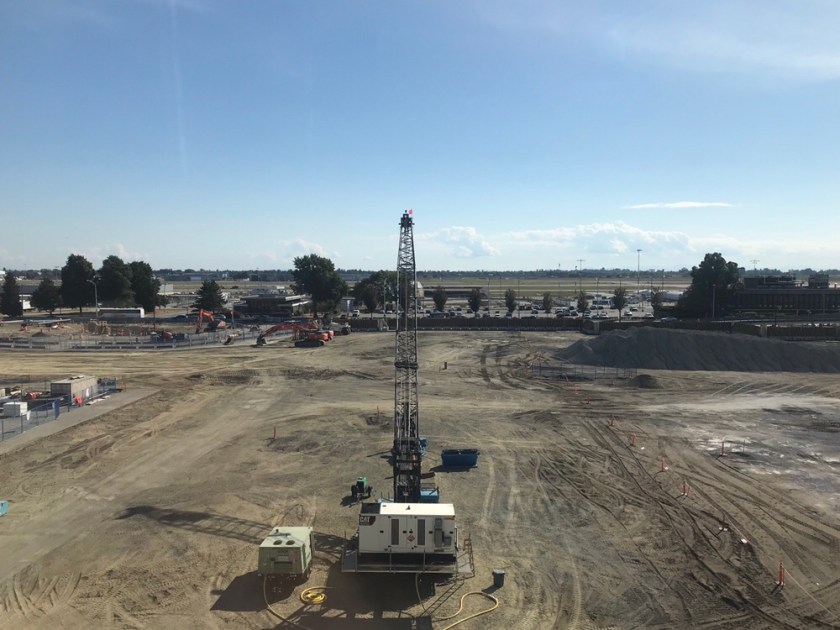
The elevated north south taxiway is a go! There will be an elevated north south taxiway at the east end of the airport. This will provide a more direct route to the east end of the two main runways for aircraft at YVR. Construction will likely begin in 6-7 years while the planning (and preloading) will start to ramp up sooner than that. As a plane spotter and photographer I am really looking forward to seeing this project becoming a reality.

I had an interesting chat with folks at YVR about “PBN” Performance Based Navigation and also what it takes to physically accommodate a new aircraft type at the airport but will save those for another post (or two)!

For more info on YVR2037 visit: http://www.yvr2037.ca/


YVR 2037 Master Plan Open House

YVR held an open house Wednesday October 12, 2016 to give the public another chance to provide feedback on the airport’s Master Plan and the airport’s future. As an avid plane spotter at YVR with an interest in all things aviation, I want to be involved with the ongoing conversations about plane spotting at YVR. So I made an effort to attend the event. For those of you who are interested you can find the complete master plan at http://www.yvr2037.ca

I was able to spend some time with a few  of the YVR 2037 Master Plan project team members who were on hand to answer questions from the public; YVR CEO, Craig Richmond; Don Ehrenholz, Vice President, Engineering and Environment at YVR; Marion Town, Director of Environment at YVR; Christoph Rufenacht, Senior Engineer at YVR and Christopher Richards, Communications Specialist at YVR.

Some of the highlights of my time spent at the open house:

Speaking with CEO of YVR Craig Richmond and Marion Town, Director of Environment about the future of air travel and aircraft technology. Will there be private supersonic air travel in the future? Will there be a viable return of airships (or dirigibles) for cargo or passengers transport? Might there be a market for dirigibles that travel between North American and Europe to serve a market between fast airplane travel and slower cruise ships? We also reminisced about the fastest aircraft ever made, the SR-71 Blackbird. The SR-71 is a personal favorite of mine that I was lucky enough to see years ago at the Abbotsford Airshow. I also found out that Mr. Richmond has actually flown at or above Mach 2 (twice the speed of sound) back in his Air Force days. Pretty cool.

Speaking with Senior Engineer Christoph Rufenacht about the ongoing RESA (Runway End Safety Area) project was interesting. I learned that most RES areas at YVR will be load bearing and not the non-load bearing type. So these load bearing RESA areas can be used for taxiing aircraft but are not considered runways that aircraft plan to normally use during landing. In the future there will be a need for an additional runway at YVR so we touched on some of the things you need to consider when thinking about adding a new runway at YVR such as busiest times of day, air traffic patterns, demands on air traffic control, environmental issues along with cost and other factors. We also chatted about projects the airport may undertake in the more distant future such as an elevated taxi way on the east side of the airport. It was a really interesting discussion.

I spoke with Don Ehrenholz, Vice President, Engineering and Environment about a variety of topics including some interesting things that could be happening with luggage handling in the airport. How cool would it be to be able to track your bag in real time from the time you drop it off to the time you pick it up at your destination. This is something that the airport is looking at for the not too distant future. We also chatted about the possibility of robotic luggage handlers at airports in the distant future. Some pretty cool stuff.

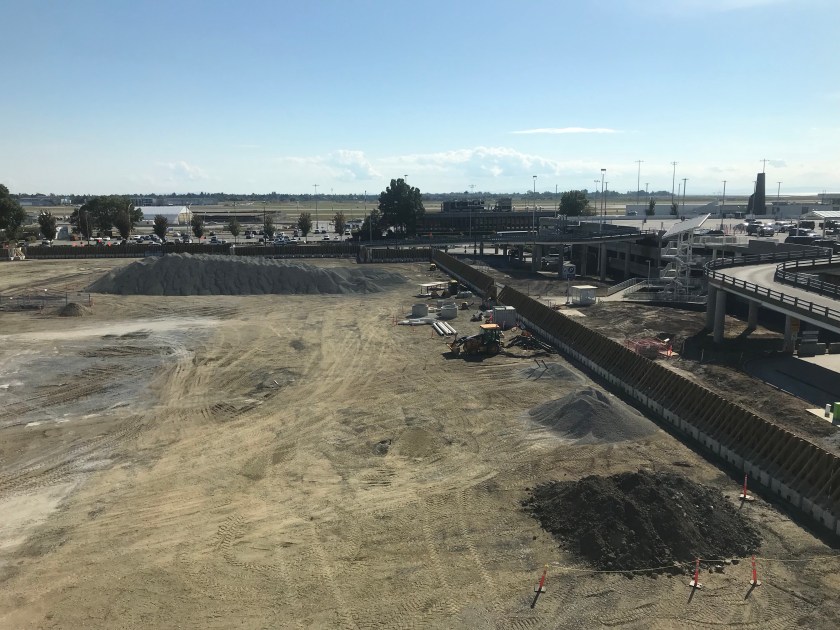
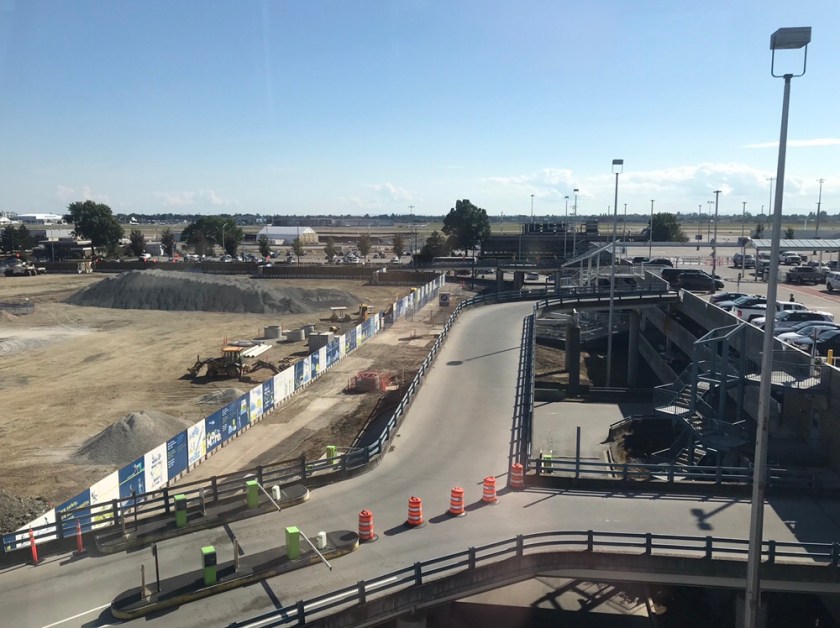
I also spoke with Chris Richards in some detail about possible future plane spotting locations in and around the airport. There seems to be 3 locations being considered for an additional dedicated plane spotting platform/area. All of them look pretty good to me and provide a nice selection of places to spot (and photograph) aircraft coming and going at the airport. The airport is looking at making the “dirt pile” on the north side of the airport a proper spotting location as well as 2 possible sites on the east end of the airport between the north and south runways. No firm decisions have been made as of yet but it is exciting to think about what the future holds in terms of plane spotting at YVR.

It was a very informative open house and I look forward to seeing how YVR evolves in the future.

YVR 2037 Master Plan Workshop

I recently attended the first of three YVR 2037 Master Plan Workshops at YVR. I view the 2037 Master Plan mainly from a plane spotter/aviation enthusiast point of view with an interest in the airport providing more plane spotting amenities. Here are a few thoughts:

The YVR Master Plan and workshops cover more than just plane spotting. They cover 6 key components; terminals, airside and airspace, ground access, environmental, amenities and land use. Creating new plane spotting areas touches on several of these areas. The airport had many top level people at the session actively involved in the discussions including Craig Richmond CEO of the airport, as well as people in charge of or with solid knowledge in the above 6 key areas. There were about 6 groups of a half dozen or so people in each group participating in the workshop. If we had questions, most if not all, got answered. If questions couldn’t be answered on the spot they would follow up at a later time. No concrete time lines are in place for any of the topics covered. These are sessions to discuss ideas for the near and medium future and give feedback about current and future aspects of the airport. The discussion guide is an interesting document to read. It can be found here:

http://www.yvr2037.ca/our-futurist/documents/3856/download

Plane spotting is specifically mentioned on page 27:

“Plane Spotting Platform: Design and construct a viewing area, just west of the Canada Post building, including parking, path and a covered plane spotting deck.”

And here:

“Plane Spotting Platform: Design and construct a plane spotting platform in the grassy area just north of the jetSet parking lot and west of the future North-South Taxiway.”

When plane spotting was brought up in our group here is some of what was brought up:

Provide a shuttle or some other means of transport to get to and from the spotting locations. Dedicated shuttle similar to the south terminal shuttle, or transit or maybe partner with the Canada Post Shuttle (that runs almost empty most parts of the day).

Connect spotting locations with bicycle paths and other Sea Island amenities.

Make the spotting locations camera friendly (no chain link fencing or glass to shoot through)

Have a covered area included in the spotting location.

Include toilet facilities at the spotting locations.

Put in a sidewalk to Larry Berg Flight Path Park from BCIT.

There is another opportunity to get involved and learn more about the future at the airport at the upcoming open house on Wednesday October 12, from 4pm to 8pm. It is being held at the Observation Area in the Domestic Terminal at YVR.

It was an interesting event to attend. Below are a few photos taken at the event. And here is a link so some of my aviation related images: https://www.flickr.com/photos/zorro1968/albums/72157646707011000

Aviation and ATC…

I am interested in all things aviation related. So as a self-confessed “Aviation Geek” or “Aviation Enthusiast” this is my first post of many about aviation related topics.

DSC01894s
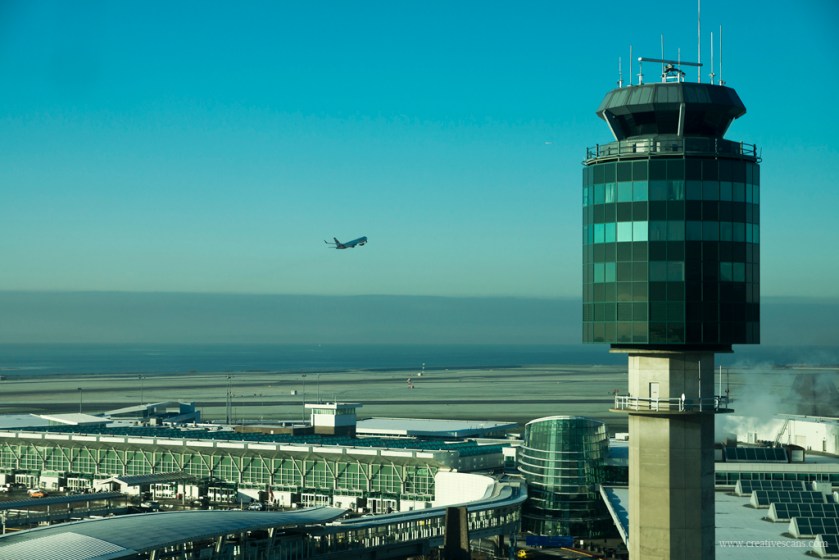
A view of the control tower at YVR in Vancouver with an aircraft lifting off in the background.

I am interested in all things aviation related. So as a self-confessed “Aviation Geek” or “Aviation Enthusiast” this is my first post of many about aviation related topics.

I find it interesting and enjoyable to listen to ATC (air traffic control) with the ATC app on my iPhone (LiveATC) or listing on the internet at http://www.liveatc.net/.  The speed at which a lot of information is passed between air traffic controllers, pilots and ground service personnel can make your head spin. I usually listen to the controllers at YVR, but the app and website mentioned above lets people listen to airports around the world.
Different air traffic controllers are responsible for different operations in and around the airport as well as between airports. I will be writing more about the different ATC positions and responsibilities in the future.